Advertisements
America’s elderly population is growing rapidly, and with it comes an urgent need for compassionate caregivers. By 2030, all Baby Boomers will be 65 or older, creating unprecedented demand for in-home care and assisted living support. This demographic shift has opened doors for foreign workers seeking meaningful employment in the United States through visa sponsorship programs.
If you’re a compassionate person looking to build a career helping others while living and working in America, caregiver jobs with visa sponsorship offer a legitimate pathway. This comprehensive guide explains everything you need to know about securing these positions, from visa options to salary expectations and the application process.
Understanding the Demand for Caregivers in the USA
The United States faces a critical shortage of caregivers. More than 10,000 Americans turn 65 every day, and many prefer to age in place at home rather than move to institutional facilities. This creates enormous demand for in-home caregivers who can provide personal assistance, companionship, and support with daily activities.
Advertisements
The shortage is particularly acute in rural areas and certain states where the aging population has grown faster than the available workforce. Many American families struggle to find qualified, reliable caregivers for their elderly loved ones, creating opportunities for foreign workers willing to fill these essential roles.
U.S. employers are increasingly willing to sponsor visas for qualified caregivers because domestic recruitment efforts often fall short. The work is physically and emotionally demanding, and many Americans prefer other career paths. This opens the door for international workers who see caregiving as a meaningful profession and a pathway to life in America.
What Do Caregivers Actually Do?
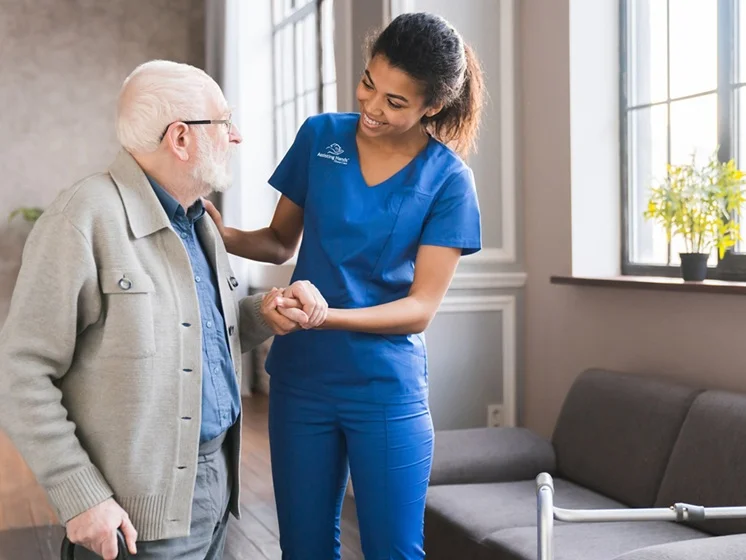
Before diving into visa options and salaries, it’s important to understand what caregiver roles actually involve. Caregivers provide essential support to elderly individuals, people with disabilities, or those recovering from illness or injury.
Typical Caregiver Responsibilities:
Personal care assistance including help with bathing, dressing, grooming, and using the bathroom. Mobility support such as helping clients move around their homes, transfer from beds to wheelchairs, and preventing falls. Meal preparation involves planning, cooking, and serving nutritious meals according to dietary requirements. Medication reminders ensure clients take prescribed medications at the correct times and dosages. Companionship and emotional support combat loneliness and provide social interaction. Light housekeeping includes cleaning, laundry, and maintaining a safe living environment. Transportation assistance helps with trips to medical appointments, grocery shopping, or social activities. Monitoring and reporting involves observing changes in the client’s condition and communicating with family members or healthcare professionals.
The work is hands on and requires patience, empathy, and genuine care for people who may be vulnerable or experiencing health challenges. It’s not an easy job, but it’s deeply rewarding for those who find purpose in helping others maintain independence and dignity.
Visa Options for Caregiver Jobs in the USA
Understanding your visa options is crucial. While there’s no specific “caregiver visa,” several pathways allow foreign workers to enter the United States for caregiving employment.
EB-3 Unskilled Worker Green Card
The EB-3 visa category includes an unskilled worker pathway specifically designed for positions requiring less than two years of training or experience. Caregiving qualifies under this category, making it one of the most common routes for foreign caregivers seeking permanent residence in the United States.
Key Features:
Leads directly to a green card (permanent residence). Requires employer sponsorship through a lengthy labor certification process (PERM). Processing time is typically 2 to 4 years depending on your country of origin. Allows you to bring your spouse and unmarried children under 21. Provides a path to U.S. citizenship after 5 years of permanent residence.
The Process:
The employer files a PERM Labor Certification with the Department of Labor, demonstrating they cannot find qualified U.S. workers. Once approved, the employer files Form I-140 (Immigrant Petition for Alien Worker) with USCIS. After I-140 approval, you either adjust status if already in the U.S. or go through consular processing at a U.S. embassy in your home country. Upon approval, you receive your green card and can enter the U.S. as a permanent resident.
Important Note: Some employers require beneficiaries to pay certain fees as part of the sponsorship process. One major caregiver company mentions potential agency fees of up to $15,000 under certain conditions, though they claim no fee for the sponsorship program opportunity itself. Always clarify financial expectations upfront and get everything in writing.
H-2B Temporary Worker Visa
The H-2B visa allows U.S. employers to bring foreign nationals for temporary non-agricultural work when American workers are unavailable. While less common for caregiving than EB-3, some employers use H-2B for seasonal or temporary caregiver positions.
Key Features:
Temporary visa initially valid for up to one year, extendable up to 3 years total. Requires employer sponsorship and demonstration of temporary need. Processing is faster than EB-3 (typically 2 to 6 months). Does not lead directly to permanent residence but can be extended or transitioned to other visa types.
J-1 Exchange Visitor Visa
The J-1 visa program includes categories for au pairs and some healthcare training programs. While primarily educational/cultural exchange, some caregiving positions qualify, particularly for younger workers providing childcare or eldercare as part of a cultural exchange.
Key Features:
Shorter term than other options (typically 12 to 18 months). Emphasizes cultural exchange and learning. Generally for younger applicants. Some J-1 programs have two year home residency requirements before applying for other visa types.
Employer Sponsored Work Permits
Some employers work through specialized immigration platforms to facilitate various visa sponsorship options beyond standard categories. These might include company specific sponsorship arrangements or state based programs.
What You’ll Earn: Caregiver Salaries in the USA
One of the most important questions for prospective caregivers is compensation. Caregiver salaries vary significantly based on location, experience, and type of employment (live in versus hourly).
National Average Salaries:
The average caregiver salary in the United States is $39,304 per year, which breaks down to approximately $19 per hour. However, wages vary considerably by state and role.
According to Indeed, based on nearly 194,000 salary reports, the average caregiver hourly rate is $16.72. ZipRecruiter data shows the average hourly pay is $15.54, with most caregivers earning between $13.70 (25th percentile) and $17.31 (75th percentile).
Hourly Wage Ranges:
Entry level caregivers: $12 to $15 per hour Experienced caregivers: $16 to $20 per hour Certified caregivers (CNA, HHA): $18 to $24 per hour Elderly caregiver specialists average $17.21 per hour, with wages ranging from $12.50 to $18.99
Annual Earning Potential:
Based on full time work (40 hours per week, 50 weeks per year):
At $15/hour: approximately $30,000 annually At $17/hour: approximately $34,000 annually At $19/hour: approximately $38,000 annually At $22/hour: approximately $44,000 annually
Live In Caregiver Positions:
Live in caregivers earn significantly more, averaging $46,742 per year ($22.47 per hour), with the range extending from $31,500 at the 25th percentile to $54,000 at the 75th percentile. Top earning live in caregivers can make $75,000 annually.
Regional Variations:
Caregiver hourly rates vary significantly by state, ranging from $15.63 per hour in lower cost states to $24.67 in higher cost areas. States like California, New York, Massachusetts, and Washington typically offer higher wages but also have higher living costs. Southern and Midwestern states generally offer lower wages but more affordable living expenses.
Additional Benefits:
Many caregiver positions include health insurance (medical, dental, vision), paid time off and sick leave, retirement contributions, free training and certifications (CPR, First Aid, specialized care training), and mileage reimbursement for transportation duties.
Live in positions often include free room and board, which significantly increases the value of the compensation package.
Requirements to Qualify for Caregiver Jobs with Visa Sponsorship
To successfully obtain a caregiver position with visa sponsorship, you must meet both employer requirements and visa eligibility criteria.
Basic Qualifications:
Experience: While some entry level positions exist, most employers prefer at least 6 months to 2 years of caregiving experience. This can include caring for elderly family members, working in nursing homes, or similar roles in your home country.
Education: A high school diploma or equivalent is typically required. Additional healthcare education (nursing assistant programs, caregiver certifications) strengthens your application significantly.
English Proficiency: You must demonstrate ability to communicate effectively in English. Many employers require IELTS, TOEFL, or similar test scores. Minimum scores typically range from IELTS 5.5 to 6.5 depending on the employer and visa type.
Certifications (Preferred but Often Not Required):
Certified Nursing Assistant (CNA) certification (can usually be obtained after arrival through employer sponsored training). Home Health Aide (HHA) certification. CPR and First Aid certification. Specialized training in dementia care, Alzheimer’s support, or disability care.
Physical Requirements: You must be capable of performing physically demanding tasks like lifting patients (typically 50 pounds or more), standing for extended periods, assisting with mobility and transfers, and performing household tasks like cleaning and cooking.
Character Requirements: Clean criminal background check from your home country. Good moral character. Genuine compassion and patience for working with vulnerable populations. Emotional stability to handle the psychological demands of caregiving.
Documentation Needed:
Valid passport with at least 6 months remaining validity. Educational certificates and diplomas (translated to English by certified translators). Employment reference letters from previous employers detailing your caregiving experience. Police clearance certificate. Medical examination results from approved panel physicians. Proof of English language proficiency.
Top Companies Hiring Caregivers with Visa Sponsorship
Knowing which employers actively sponsor visas dramatically increases your chances of success. These organizations have established processes for hiring international caregivers.
Major Caregiver Employers:
IHPS (Integrated Home and Personal Services) operates a formal caregiver sponsorship program specifically for international workers, processing EB-3 green cards for unskilled worker positions. They have detailed eligibility requirements and screening processes.
Home Instead Senior Care is one of the largest home care providers in the United States with franchises nationwide. Many locations hire international caregivers and provide visa sponsorship support.
Visiting Angels offers personalized in-home care services and has been known to facilitate visa processes including J-1 and employer sponsored visa options for international talent.
Comfort Keepers provides in-home care across the United States and works with international recruitment to fill caregiver positions in areas with acute shortages.
BrightStar Care is a national provider of home care and medical staffing that hires caregivers for in-home and healthcare facility roles, offering competitive salaries and visa sponsorship.
Amada Senior Care specializes in non-medical in-home care for seniors and has hired international caregivers for various locations.
Life Care Centers of America operates senior care facilities across the United States and offers visa sponsorship including employment based green card pathways.
Right at Home provides in-home care and assistance services and has worked with international caregivers in multiple states.
Sunrise Senior Living manages assisted living and memory care communities nationwide and occasionally sponsors visas for caregiving positions.
Private Families are wealthy families or individuals directly hiring caregivers, sometimes through agencies. These positions can offer visa sponsorship for the right candidate, particularly for live in roles.
How to Apply: Step by Step Process
Successfully securing a caregiver job with visa sponsorship requires strategy, persistence, and proper preparation.
Step 1: Assess Your Qualifications
Honestly evaluate whether you meet the basic requirements. If you lack experience, consider gaining caregiving experience in your home country first. If your English needs improvement, invest in language training before applying.
Step 2: Obtain Necessary Certifications
While not always required before employment, having certifications strengthens your application. Consider obtaining Red Cross First Aid and CPR certification in your country, caregiving or nursing assistant training, or specialized training in elderly care or disability support.
Step 3: Prepare Your Documents
Gather all required documents well in advance. Have educational certificates professionally translated to English. Obtain a police clearance certificate from your home country’s authorities. Take English proficiency tests (IELTS, TOEFL, or PTE). Get reference letters from previous employers or supervisors describing your caregiving experience.
Step 4: Create a Strong Resume and Cover Letter
Your resume should highlight caregiving experience with specific responsibilities and achievements, any relevant certifications or training, language skills, and personal qualities that make you a strong caregiver (patience, empathy, reliability).
Write a compelling cover letter explaining why you want to work as a caregiver in the USA, your relevant experience and qualifications, and your willingness to relocate and commit to the position.
Step 5: Search for Employers Offering Sponsorship
Use legitimate job boards including Indeed.com, Care.com, CareerBuilder, and company websites of the major employers listed above. Clearly state in your applications that you require visa sponsorship. Many job postings specifically mention visa sponsorship availability.
Be cautious of scams. Legitimate employers never ask you to pay fees for job offers. If someone requests money upfront to “guarantee” a position or visa sponsorship, it’s a scam.
Step 6: Apply Strategically
Target 15 to 25 positions that match your qualifications. Customize each application to the specific employer and role. Follow up on applications after 1 to 2 weeks if you haven’t heard back.
Step 7: Prepare for Interviews
Most initial interviews will be via phone or video call. Research the company thoroughly. Prepare answers to common caregiver interview questions about handling difficult situations, your caregiving philosophy, and why you want to work in the USA. Have questions ready to ask the employer about the role, training provided, and visa sponsorship process.
Step 8: Understand the Sponsorship Process
Once offered a position, the employer begins the visa sponsorship process. For EB-3 green cards, expect 2 to 4 years of processing time. For H-2B or other temporary visas, processing is faster (2 to 6 months typically).
Stay in close communication with your employer and any immigration attorney they provide. Provide all requested documents promptly and accurately.
Step 9: Prepare for Your Move
Once your visa is approved, begin practical preparations. Book your flight to the United States. Arrange temporary accommodation if not provided by employer. Open a U.S. bank account (some can be opened online before arrival). Research your destination city and local area. Budget for initial expenses until your first paycheck.
Living in the USA as a Caregiver
Understanding what life will be like once you arrive helps set realistic expectations.
Cost of Living:
Living expenses vary dramatically by location. In expensive cities like New York, San Francisco, or Boston, expect monthly costs of $2,500 to $4,000 including rent, food, transportation, and other basics. In affordable areas like rural Midwest or Southern states, monthly expenses might be $1,500 to $2,500.
If you secure a live in caregiver position with free room and board, your living expenses drop dramatically, allowing you to save more of your income or send money home to family.
Work Schedule:
Caregiver schedules vary widely. Some positions are Monday to Friday, 9 AM to 5 PM. Others involve overnight shifts, weekends, or live in arrangements where you’re on call 24/7 with breaks. Overtime is common and typically paid at 1.5 times your regular rate.
Career Growth:
Caregiving can lead to career advancement. With additional training and certifications, you can progress to Certified Nursing Assistant (CNA) roles with higher pay, Licensed Practical Nurse (LPN) positions, specialized care roles (dementia, hospice, rehabilitation), or caregiver supervisor or manager positions.
Pathway to Permanent Residence:
The EB-3 green card leads directly to permanent residence. After 5 years as a permanent resident, you can apply for U.S. citizenship. This allows you to vote, access all government benefits, obtain a U.S. passport, and sponsor family members for immigration.
Cultural Adjustment:
Moving to America involves significant cultural adjustment. Be prepared for different communication styles, workplace norms, food, social customs, weather (varies dramatically by region), and potential homesickness.
Many cities have immigrant communities from various countries that provide social support, familiar food, and cultural connections during your transition.
Common Challenges and How to Overcome Them
Be realistic about the challenges you might face and prepare strategies to address them.
Challenge: Long Processing Times
EB-3 visas take years to process. This requires patience and maintaining your qualifications during the wait. Solution: Continue gaining experience in your home country. Stay in contact with your sponsoring employer. Be prepared to provide updated documents as needed.
Challenge: Physical and Emotional Demands
Caregiving is exhausting work, both physically and emotionally. Solution: Maintain your own physical fitness and health. Seek emotional support from colleagues, support groups, or counseling when needed. Practice self care and maintain boundaries.
Challenge: Language Barriers
Even with good English skills, understanding regional accents and medical terminology can be difficult initially. Solution: Continue improving your English after arrival. Ask clients and families to speak slowly or repeat information when needed. Learn medical and caregiving vocabulary specific to your role.
Challenge: Homesickness and Isolation
Being far from family and friends is difficult, especially initially. Solution: Use video calls to stay connected with loved ones. Join immigrant communities or religious/cultural organizations in your area. Build friendships with colleagues. Explore your new city and embrace new experiences.
Red Flags and Scams to Avoid
The demand for U.S. caregiver jobs has created opportunities for scammers to exploit hopeful applicants. Protect yourself by recognizing warning signs.
Never pay money for a job offer. Legitimate employers do not charge candidates for positions or visa sponsorship. All legitimate costs are borne by the employer.
Verify company legitimacy. Research companies thoroughly through Better Business Bureau, Google reviews, and state business registrations. Contact companies through official websites, not just through recruiters who approached you.
Be suspicious of guarantees. No one can guarantee visa approval. Legitimate employers explain the process realistically and acknowledge that approval depends on meeting government requirements.
Watch for poor communication. Legitimate U.S. companies communicate professionally with proper English. Emails full of errors, vague details, or pressure tactics are red flags.
Verify employment offers independently. If offered a position, ask to speak directly with the employer (not just a recruiter). Request detailed information about the role, location, salary, and sponsorship process. Get everything in writing.
Is Caregiver Work in the USA Right for You?
This opportunity isn’t for everyone. Honestly assess whether it matches your goals, abilities, and circumstances.
This Path May Be Right for You If:
You genuinely enjoy helping people and have patience for working with elderly or disabled individuals. You’re physically capable of the demanding nature of caregiving work. You’re willing to wait 2 to 4 years for EB-3 visa processing. You can communicate effectively in English or are committed to improving. You want a pathway to permanent U.S. residence and eventual citizenship. You’re flexible about location within the United States. You understand that caregiving is hard work, not just an easy way to get to America.
This Path May Not Be Right for You If:
You’re only interested in the U.S. visa and don’t actually want to do caregiving work. You’re not physically capable of lifting, standing for long periods, or performing demanding tasks. You need to relocate to the U.S. immediately (processing takes years). You’re not willing to invest in English language improvement. You expect high pay immediately without experience or certifications. You’re inflexible about where in the U.S. you’ll work.
Taking the First Step
If you’ve read this far and caregiving work in the USA still appeals to you, it’s time to take action.
Start improving your English today through online courses, apps, or formal classes. Gain caregiving experience in your home country if you don’t have it already. Research the major employers listed in this guide and visit their websites. Prepare your documents: passport, educational certificates, reference letters, and police clearance. Create a professional resume highlighting your caregiving experience and qualifications. Begin applying to positions with clear visa sponsorship mentioned.
Be patient, persistent, and realistic. The process takes time, requires genuine qualification, and involves hard work. But for those who are truly committed to caregiving as a profession and see it as more than just a visa pathway, opportunities exist.
America needs caregivers. Families are desperate for compassionate, reliable people to care for their elderly loved ones. If you have the heart for this work and the determination to see it through, you can build a meaningful career while creating a new life in the United States.
Your journey starts today with a single application. Take that first step.
Thank you so much for reading. We will appreciate it if you share this with your loved ones.
Advertisements